Actor Spotlights Fueling Custom Genre Suggestions Across Digital Media Platforms
Zara Ludwig · Nov 20, 2026

Actor Spotlights Fueling Custom Genre Suggestions Across Digital Media Platforms
Digital viewing platforms have integrated actor spotlights into their recommendation engines since the mid-2010s, and these features continue to shape how users encounter genre-specific content in November 2026. Platforms collect viewing histories alongside actor preferences to generate suggestions that align with individual patterns, while data from multiple services shows increased engagement when actor profiles appear prominently in user interfaces.
Mechanisms Behind Actor-Driven Personalization
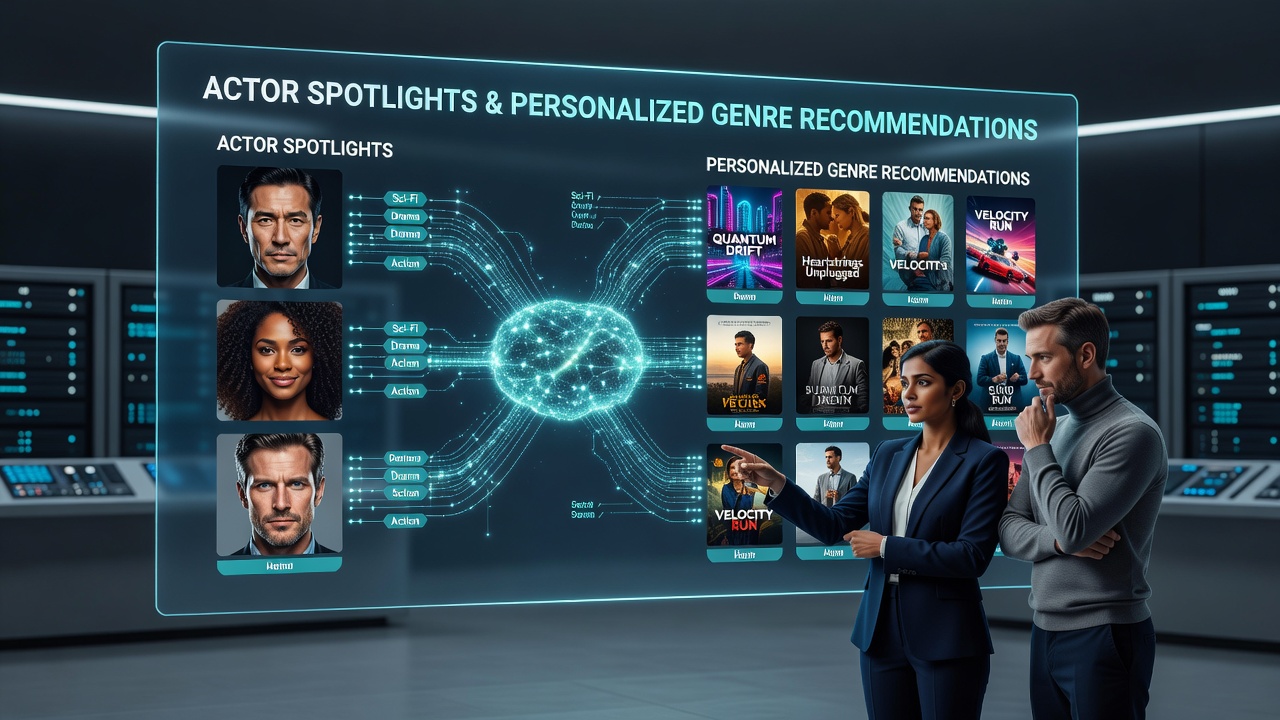
Recommendation systems analyze actor metadata such as filmographies, co-star connections, and genre associations to refine outputs, and algorithms update these models continuously based on user interactions. When a viewer selects content featuring a particular performer, the system adjusts subsequent suggestions to emphasize related genres like action or drama, while cross-referencing this data with broader demographic trends reported by industry analysts.
Studies from research institutions indicate that actor spotlights boost click-through rates by connecting familiar names to unexplored categories, and platforms deploy machine learning techniques to predict which performers will drive the strongest responses in specific regions. Observers note that these systems draw on real-time metrics including watch duration and completion rates to refine genre mappings without requiring explicit user input.
Regional Variations in Implementation
Platforms operating in North America often prioritize actor spotlights tied to Hollywood productions, whereas services in Asia and Europe incorporate local performers to align with regional preferences. Data from the Australian Communications and Media Authority reveals that personalized genre recommendations incorporating actor data have expanded user session lengths by notable margins across multiple markets since 2023.
European regulators, including bodies under the European Commission, have examined how such systems handle user data while maintaining compliance with privacy standards, and these frameworks influence how platforms present actor features without compromising transparency. In Canada the Canadian Radio-television and Telecommunications Commission tracks similar developments, and figures show consistent growth in adoption of actor-centric recommendation modules through 2026.
Impact on Content Discovery Patterns
Users encounter actor spotlights through dedicated sections on homepages and within search results, and these placements guide transitions from one genre to another based on performer histories. One case involved a platform that linked a lead actor from a thriller series to documentary recommendations, and engagement data indicated higher retention when such connections appeared in the interface.
Academic research from institutions like those affiliated with the University of Southern California has examined how actor metadata enhances algorithmic accuracy, and results demonstrate improved matching between viewer profiles and genre clusters. Platforms continue to refine these connections as new releases enter catalogs, while maintaining separate pathways for users who prefer genre-first navigation.
Technical Infrastructure Supporting These Features
Backend systems store actor attributes alongside content tags, and real-time processing combines this information with behavioral signals to produce tailored lists. Engineers at major services update these models weekly, incorporating fresh performance data from November 2026 releases and adjusting weights assigned to different performer contributions.
Integration with third-party metadata providers ensures consistent actor information across devices, and testing protocols verify that genre recommendations remain relevant even when users switch between mobile and television interfaces. These technical layers operate without direct visibility to end users yet determine the prominence of actor spotlights in daily viewing flows.
Conclusion
Actor spotlights have become integral components of personalized genre recommendations within digital viewing ecosystems, and ongoing developments through November 2026 reflect continued investment in metadata-driven personalization. Regulatory oversight from varied international bodies supports balanced implementation, while technical advancements sustain the connection between performer profiles and content discovery. Platforms maintain these systems to align suggestions with established viewing patterns across global audiences.